Currency
 AED
AED
 AFN
AFN
 ALL
ALL
 AMD
AMD
 ANG
ANG
 AUD
AUD
 AWG
AWG
 AZN
AZN
 BAM
BAM
 BBD
BBD
 BDT
BDT
 BIF
BIF
 BND
BND
 BOB
BOB
 BSD
BSD
 BWP
BWP
 BZD
BZD
 CAD
CAD
 CDF
CDF
 CHF
CHF
 CRC
CRC
 CVE
CVE
 CZK
CZK
 DJF
DJF
 DKK
DKK
 DOP
DOP
 DZD
DZD
 EGP
EGP
 ETB
ETB
 EUR
EUR
 FJD
FJD
 FKP
FKP
 GBP
GBP
 GMD
GMD
 GNF
GNF
 GTQ
GTQ
 GYD
GYD
 HNL
HNL
 HUF
HUF
 IDR
IDR
 ILS
ILS
 INR
INR
 ISK
ISK
 JMD
JMD
 JPY
JPY
 KES
KES
 KGS
KGS
 KHR
KHR
 KMF
KMF
 KRW
KRW
 KYD
KYD
 KZT
KZT
 LAK
LAK
 LBP
LBP
 LKR
LKR
 MAD
MAD
 MDL
MDL
 MKD
MKD
 MMK
MMK
 MNT
MNT
 MUR
MUR
 MVR
MVR
 MWK
MWK
 MYR
MYR
 NGN
NGN
 NIO
NIO
 NPR
NPR
 NZD
NZD
 PEN
PEN
 PGK
PGK
 PHP
PHP
 PKR
PKR
 PLN
PLN
 PYG
PYG
 QAR
QAR
 RON
RON
 RSD
RSD
 RWF
RWF
 SAR
SAR
 SBD
SBD
 SEK
SEK
 SGD
SGD
 SHP
SHP
 SLL
SLL
 STD
STD
 THB
THB
 TJS
TJS
 TOP
TOP
 TTD
TTD
 TZS
TZS
 UAH
UAH
 UGX
UGX
 USD
USD
 UYU
UYU
 UZS
UZS
 VND
VND
 VUV
VUV
 WST
WST
 XAF
XAF
 XCD
XOF
XPF
XCD
XOF
XPF
 YER
YER



Description
xWhat Is Licorice Basil?
Licorice basil is a unique and aromatic herb that brings a distinctive anise-like flavor to your garden and kitchen. Unlike common sweet basil, licorice basil offers a subtle sweetness with hints of licorice and fennel, making it a fascinating addition to culinary experiments and herbal collections.
Growing Licorice Basil
This herb thrives in warm, sunny locations with well-draining soil. Plant licorice basil after the last frost date when soil temperatures reach at least 50°F. Space plants 6 to 12 inches apart and water regularly to keep the soil consistently moist but not waterlogged. Licorice basil grows quickly and can reach 12 to 18 inches tall, making it perfect for garden beds, containers, or window boxes.
Pinch off the top leaves regularly to encourage bushier growth and prevent early flowering. This also extends your harvest season and keeps the plant productive throughout the growing period.
Harvesting and Using Licorice Basil
Begin harvesting leaves once the plant is established, typically 3 to 4 weeks after planting. Pick leaves in the morning after the dew dries for the best flavor. Fresh licorice basil works wonderfully in teas, desserts, cocktails, and savory dishes where you want a subtle licorice note.
Dry the leaves by hanging bundles upside down in a warm, well-ventilated space, or use a dehydrator. Dried licorice basil retains its flavor well and can be stored in airtight containers for several months.
Why Grow Licorice Basil?
Beyond its culinary appeal, licorice basil attracts pollinators to your garden and pairs beautifully with other herbs like mint and oregano. Its ornamental foliage and delicate flowers add visual interest while providing a steady supply of fresh, flavorful leaves throughout the season.
In Summary
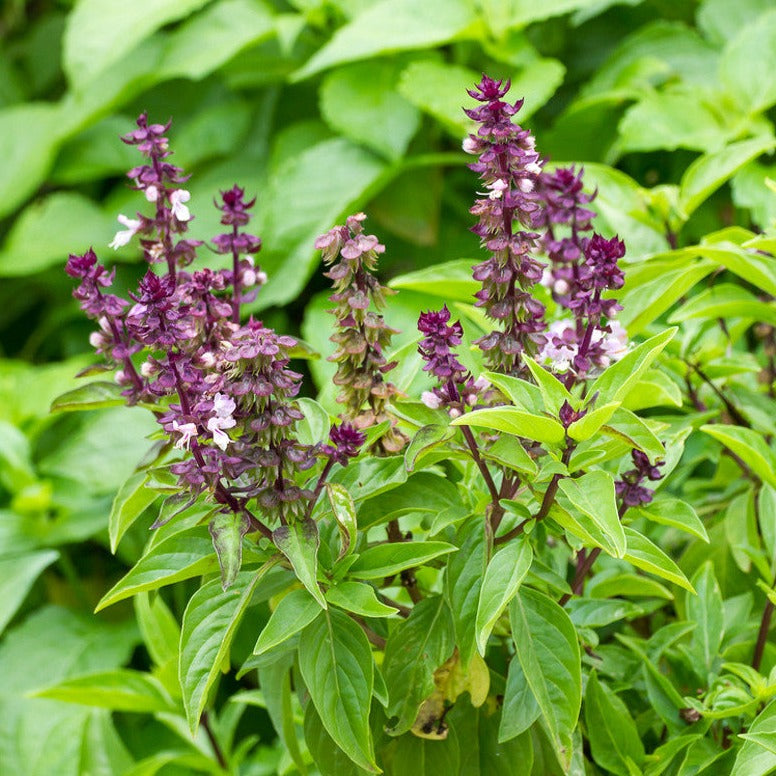
Licorice Basil is a type of Thai basil with a pleasant, sweet licorice flavor. Beautiful as a fragrant and ornamental accent throughout the garden, and delicious in salads, baked goods, and pasta sauce. It’s also pleasant to look at with deep green leaves that sometimes show a burgundy tinge, plum-colored stems, and lavender flower spikes that make a fun garnish for any salad, dish, or drink.
Harvest the leaves and stems from the top part of the plant, and pinch off edible flower buds as they appear, which prevents the leaves from turning bitter, and signals the plant to branch out and grow more leaves, making a bushier plant.
The more you harvest, the more it grows!
- Sweet, pleasant licorice flavor
- Thai basil type
- Edible ornamental
- Good for containers
- Tons of medicinal benefits!
As a medicinal herb, Basil has been used internally to treat anxiety, colds, colic, cough, depression, diarrhea, fever, flatulence, flu, indigestion, insomnia, intestinal parasites and worms, exhaustion, gastric pain, gonorrhea, lactation problems, migraine headache, nausea, stomach cramps, sore throat, and vomiting, and externally to treat acne, insect bites and stings, loss of smell, skin problems, snake bites.
⚠️ Do not use medicinally while pregnant.
⚠️ Medicinal properties are presented as information only, and are not a recommendation or prescription for use. Consult a medical professional before using any herb medicinally.
As a companion plant, it attracts hummingbirds, pollinators, and beneficial insects, and repels asparagus beetles, cabbage moths, cabbage white butterfly, cabbage worms, carrot rust fly, flies, maggots, mice, mosquitoes, spider mites, thrips, and tomato hornworms.
| Shop all Basil Seeds | Shop Good Companion Plants for Basil | 📚 Grow Guide: Basil |

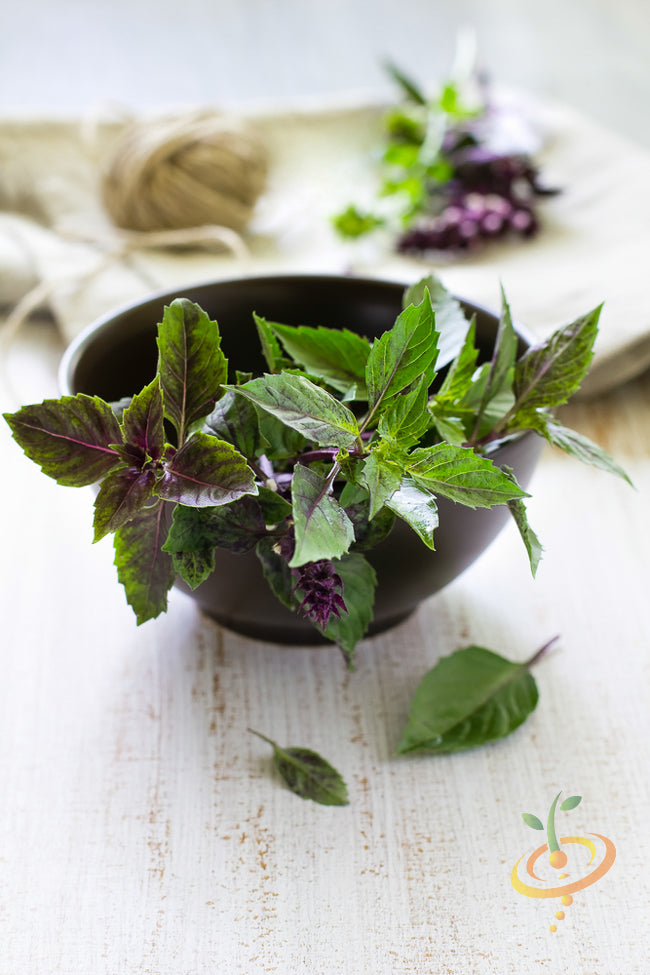
This basil variety produces lovely and flavorful green leaves with purple accents. It has a strong, but enjoyable licorice flavor and can grow up to 24" tall.

What is Licorice Basil?
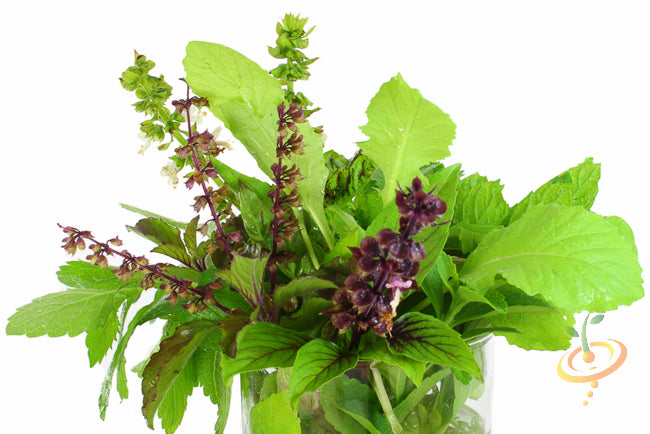
This basil is a type of Thai Basil, also known as anise basil. It has strong licorice and anise flavors, qualities and aromatics. It's known to be slightly "lanky" with pointed green leaves with signature purple flowers. Both the leaves and flowers are edible on this plant.
Health Benefits of Licorice Basil
Licorice Basil can be used for treating the common cold, the flu, diabetes, asthma, bronchitis, earaches, headaches, upset stomachs, heart disease, fever, and more. It promotes longevity but something you may not know is that its an excellent mosquito repellent!

Ways to Consume Licorice Basil
When Licorice Basil leaves are crushed, they burst with intense basil and licorice aromas. Fragrant and floral, the spicy paste is a condiment for multiple dishes. This basil is best when mixed with other ingredients to tame it's powerful one-dimensional notes.

See Basil Recipes & Growing Tips on our Pinterest Board
| Shop all Basil Seeds | Shop Good Companion Plants for Basil | 📚 Grow Guide: Basil |


- Choosing a selection results in a full page refresh.